If you are buying in the Wye Valley or the Vale of Usk with plans to extend, convert a barn or add a holiday let, there is one word you need to understand before anything else: phosphates. Since 2021, phosphate pollution in the Usk and the Wye has become one of the biggest constraints on new development in the area. It doesn't stop anyone buying a house, but it can make a real difference to what you can do with one afterwards, and therefore to what a property with "development potential" is really worth.
Why phosphates matter
Phosphorus is a natural nutrient, but too much of it in a river feeds algae, starves the water of oxygen and harms fish, insects and plants. The Usk and the Wye are both designated Special Areas of Conservation (SACs), which gives them the highest level of legal protection for their wildlife under the Habitats Regulations.
In January 2021, Natural Resources Wales (NRW) set tighter targets for phosphate levels in Welsh SAC rivers and assessed how each river was performing. The results were stark. Within Monmouthshire, 88% of the River Usk's water bodies and 67% of the River Wye's failed to meet the new targets (Monmouthshire County Council). The Usk had the highest failure rate of any SAC river in Wales.
Where the phosphate comes from: According to Monmouthshire County Council's analysis, agriculture is the largest source, accounting for around 67% of the phosphate in the Usk and 72% in the Wye. Wastewater treatment works account for around 21% and 23% respectively, with the rest coming from other sources (Monmouthshire RLDP Phosphate Position Paper). New homes add to the problem mainly through the wastewater they produce.
What the rules affect, and what they don't
Because the rivers are failing their targets, planning authorities must consider the phosphorus impact of any proposed development within the SAC catchments before they grant permission (NRW). In practice, that means a development which would increase the amount of phosphorus reaching the river generally needs to show that it will be "phosphate neutral", or better, before it can be approved.
What is usually affected: Proposals that create new overnight accommodation, and therefore more wastewater, are the ones most likely to be caught. That includes new houses, annexes, barn conversions to homes or holiday lets, and changes of use that increase occupancy.
What is usually not affected: Buying, selling and living in an existing home are not affected at all. Many smaller works, such as a kitchen extension or a garden room that doesn't add bedrooms or occupants, may be "scoped out" because they don't add phosphorus or have no route to the river. Each case depends on its facts, so check with the planning authority or a planning consultant before you assume a project is clear.
Which areas are covered: The whole of the Usk catchment and the whole of the Wye catchment fall within the rules, affecting Monmouthshire, Powys, Blaenau Gwent, Torfaen and the Bannau Brycheiniog National Park among others (NRW). On the English side of the Wye, Natural England applies a similar nutrient neutrality approach, so the constraint doesn't disappear at the border.
Mitigation: how projects get approved
Phosphates have slowed development, but they haven't stopped it. Projects can still be approved where the applicant shows that the extra phosphorus will be avoided or offset. The options are evolving, and the right one depends on the site.
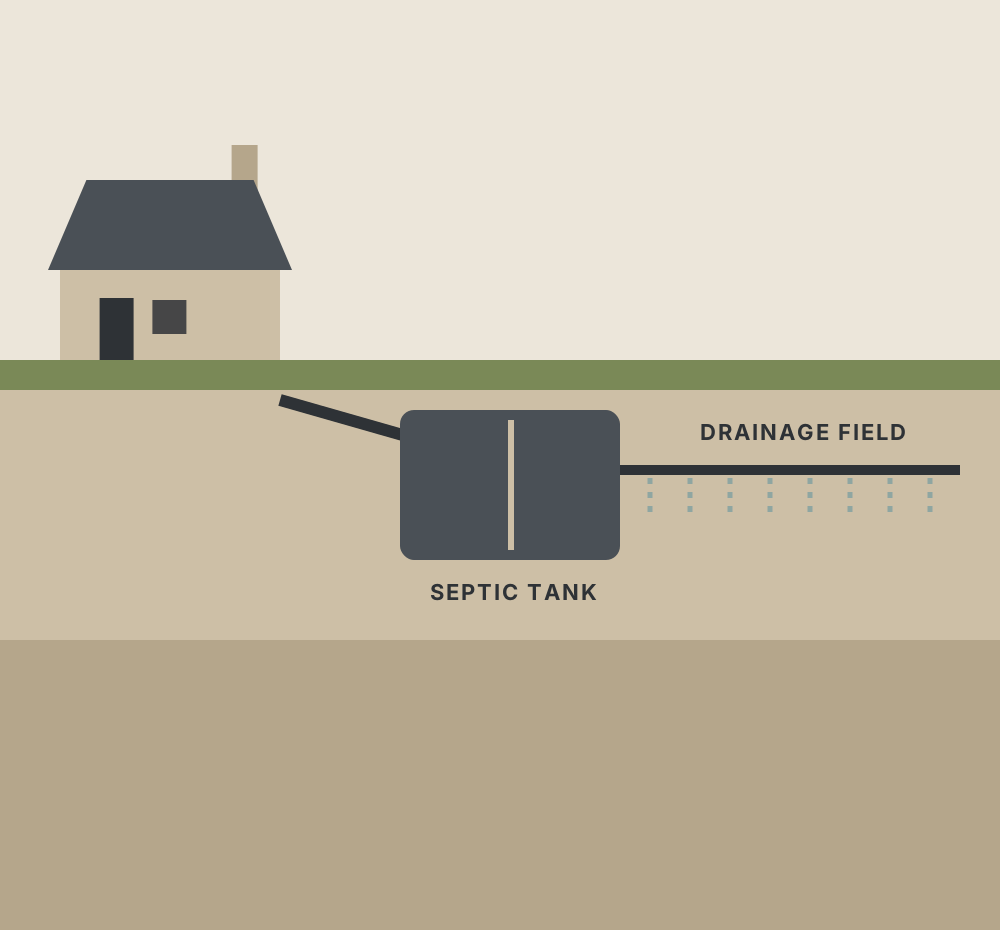
Better treatment on site: For rural homes off the mains, a modern package treatment plant with phosphate removal, or a drainage field located well away from watercourses, can sometimes reduce the impact enough to satisfy the planners.
Mains connections: Where a development connects to a wastewater treatment works that removes phosphorus effectively, the impact may be much lower. Dŵr Cymru Welsh Water has been investing in phosphate removal at a number of works in the affected catchments.
Offsetting: Some schemes offset their impact by reducing phosphorus elsewhere in the same catchment, for example through constructed wetlands or changes in land use. On the English side, Herefordshire has developed a phosphate credit scheme based on wetlands, and similar approaches are being explored in Wales.
The nutrient calculator: In June 2025, the Welsh Government published a Nutrient Budget Calculator for Wales, which applicants can use to work out the phosphorus and nitrogen mitigation needed for development within the Wye, Usk and Tywi catchments (Bannau Brycheiniog NPA). NRW also updated its advice to planning authorities in February 2026 (NRW).
What this means for buyers and owners
Don't pay for potential you can't use: If part of a property's appeal is a barn ripe for conversion, a plot for a second house or space for holiday lets, be cautious about paying a premium for it. Unless there is already a valid planning permission that has dealt with phosphates, treat development potential as uncertain.
Check existing permissions carefully: If a property comes with planning permission, check when it was granted, whether it has been implemented and whether it remains valid. Permissions granted before 2021 may not have considered phosphates, and any new application to vary them may be caught by the current rules.
Take early advice: Before you offer on a property where development is part of the plan, speak to a planning consultant who works in the Usk and Wye catchments. A short, early conversation can tell you whether a project is realistic, what mitigation might be needed and roughly what it could cost.
Existing owners: If you already own a home in the area and want to extend or convert, the same advice applies. Start with a pre-application conversation with the council, and factor the time and cost of a phosphate assessment into your plans.
The bigger picture: Investment in treatment works and changes in farming practice are intended to improve river health over time, and the rules may evolve as the evidence changes. Keep an eye on updates from NRW and your local council, and treat today's position as a snapshot rather than a permanent state of affairs.
Sources
-
Phosphates briefing, Monmouthshire County Council
-
Monmouthshire RLDP Phosphate Position Paper, February 2026, Monmouthshire County Council
-
Advice to planning authorities on phosphorus sensitive river SACs, Natural Resources Wales
-
Principles of nutrient neutrality, Natural Resources Wales
-
Nutrients and planning, Bannau Brycheiniog National Park Authority