The homes that make the Wye Valley and the Vale of Usk so special are often the ones that mortgage lenders find hardest to fit into their systems. A thatched cottage, a stone longhouse with a few acres, a barn conversion with a holiday-let condition or a farmhouse with a private spring can all give a lender pause. That doesn't mean you can't borrow against them. It does mean you will have fewer lenders to choose from, the process may take longer, and preparation matters more than usual. This guide explains why lenders are cautious, which features need the most care, and how to give yourself the best chance of a smooth mortgage application.
Why lenders are cautious
A mortgage lender's main concern is simple: if the borrower stops paying, could the lender sell the property quickly and recover its money? Anything that might make a property harder to value, harder to insure or harder to sell increases that risk in the lender's eyes.
Most lenders work to standard criteria designed around typical modern homes: brick and block construction, a tiled roof, mains services, a modest garden and no unusual restrictions. When a property falls outside those criteria, some lenders will decline it outright, others will lend on stricter terms, such as a lower loan-to-value or a higher rate, and a smaller group of specialist lenders will consider it on its merits.
The features that need care
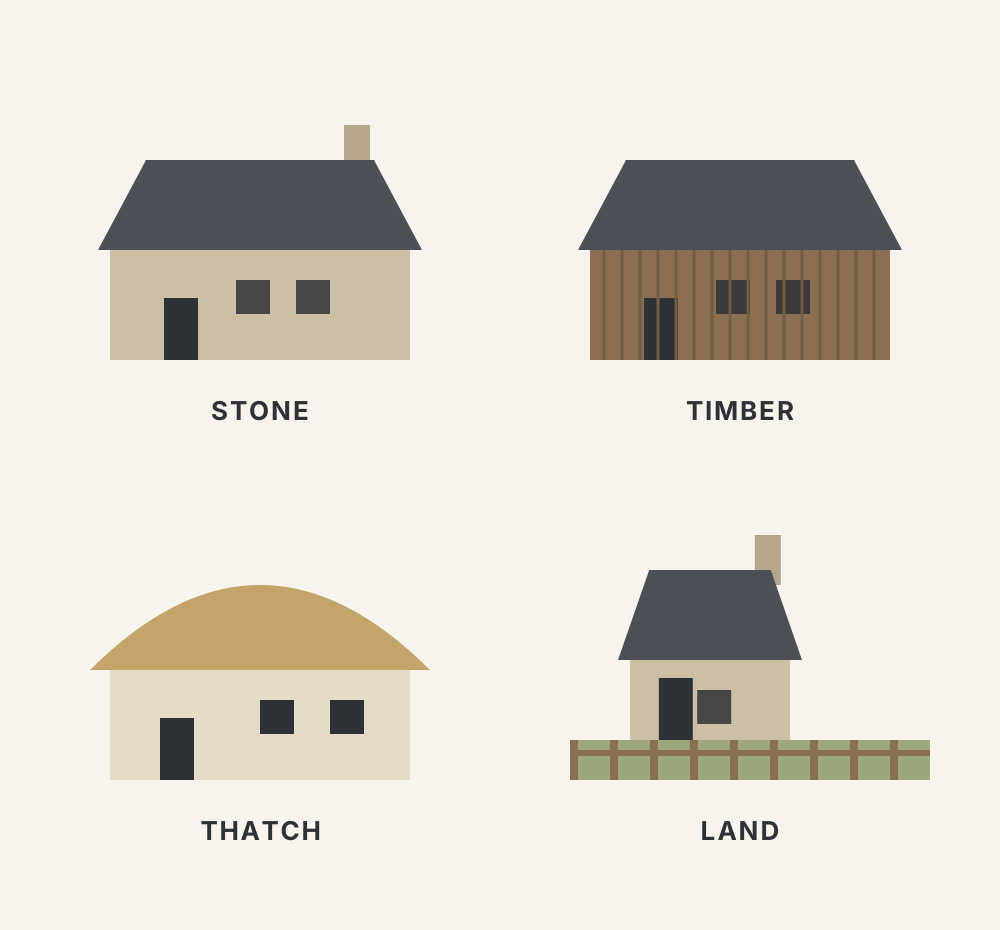
Non-standard construction: Lenders define standard construction narrowly. Thatched roofs, timber frames (especially older ones), cob or earth walls, steel frames and some prefabricated concrete houses built after the war can all count as non-standard. Many lenders will still lend on these properties, but they may ask for a specialist survey, a higher deposit or confirmation that the building can be insured.
Land and outbuildings: A home with a paddock or a couple of acres is usually fine. Once the land becomes substantial, or if there are commercial outbuildings, stables used for business or agricultural buildings, many residential lenders will either lend only against the house and a limited amount of land, or decline. Larger holdings may need an agricultural or specialist lender.
Agricultural occupancy conditions: If planning permission restricts occupation to people working, or last working, in farming or forestry, the pool of potential buyers shrinks, and so does the pool of lenders. Properties with these conditions are usually valued lower than equivalent unrestricted homes, and only some lenders will consider them.
Holiday-use restrictions: Some barn conversions and cottages are restricted to holiday use by a planning condition, which means they cannot be anyone's main home. A standard residential mortgage won't be suitable, and you may need a holiday-let mortgage, which is assessed differently, often on expected rental income.
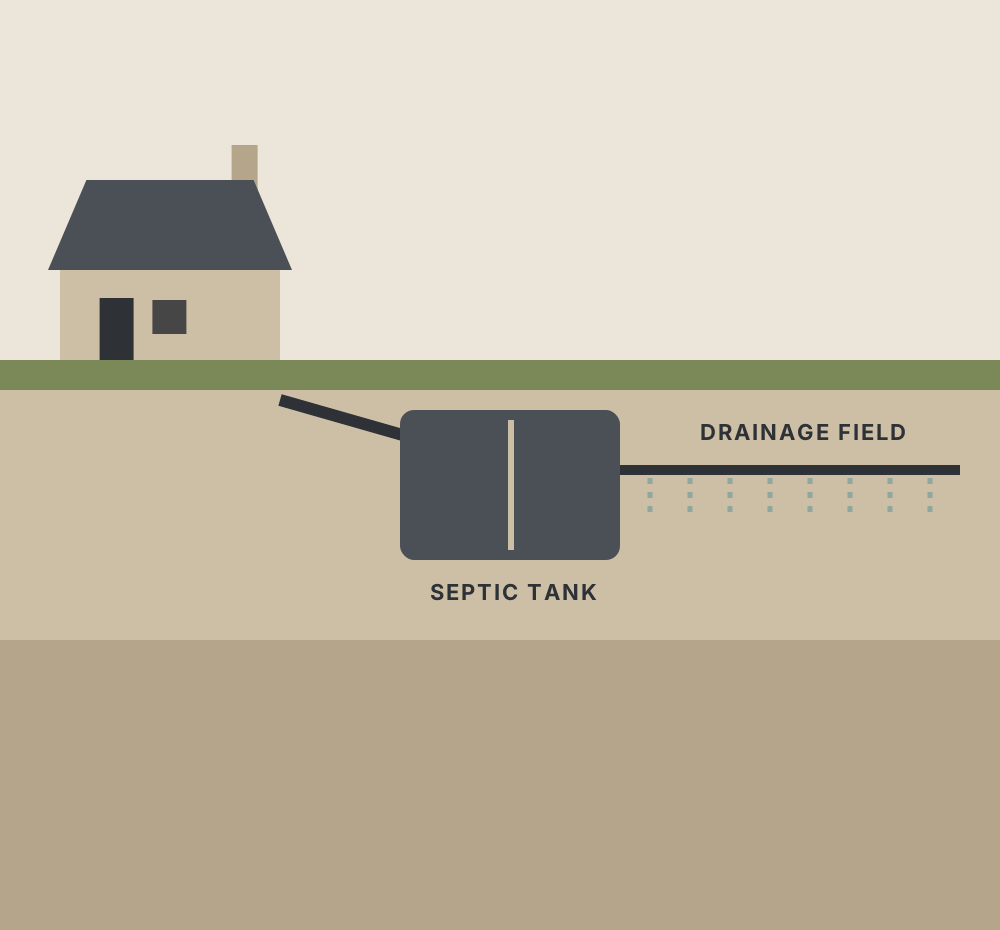
Private services: Private drainage and water supplies are normal in rural areas, and most lenders accept them. However, a valuer who sees a failing septic tank, an untested water supply or a doubtful right of way may report it, and the lender may hold back funds or ask for the problem to be fixed before completion.
Condition and habitability: Lenders need a property to be habitable, usually meaning it has a working kitchen and bathroom and is wind and watertight. A derelict cottage or a shell awaiting renovation will normally need a specialist renovation or self-build mortgage, or short-term bridging finance, rather than a standard loan.
Listed status, flood risk and mining: Listed homes are generally acceptable, though some lenders are more comfortable with them than others. Properties at significant flood risk need to be insurable, so get a buildings insurance quote early. On the English bank, parts of the Forest of Dean have a long mining history, and your solicitor may recommend a mining search.
Valuations and surveys
The lender's valuation is the moment when the character of a rural home meets the lender's criteria. The valuer works for the lender, not for you, and their job is to confirm that the property is adequate security for the loan.
Comparable sales: Valuers rely on comparable sales, and unusual homes have few true comparables. That can lead to cautious valuations, so be prepared for a figure below the agreed price and have a plan for how you would respond.
Re-inspections and retentions: If the valuer has concerns about the roof, the drainage, damp or the structure, the lender may ask for a specialist report, or hold back part of the loan until work is completed. Either can delay your purchase, so build some slack into your timetable.
Your own survey: The lender's valuation is not a survey and won't tell you much about the condition of the house. Always commission your own building survey (RICS Level 3) from a surveyor who knows traditional buildings. It can also help answer the lender's questions if they arise.
Working with a broker
For a non-standard home, a good mortgage broker can be worth their weight in gold. They will know which lenders are comfortable with thatch, land, occupancy conditions or holiday lets, and how to present your application so that it lands with the right underwriter.
Talk to them early: Ideally, speak to a broker before you start viewing seriously. Tell them about the kinds of property you are considering, so that your agreement in principle is realistic, and send them the particulars of any home you are about to offer on. They may spot a problem before you commit.
Be open about everything: Tell your broker about the construction, the land, the services and any planning conditions at the outset. Surprises at valuation stage are what cause delays and declined applications.
Check what they cover: Ask whether the broker searches the whole of the market or a panel of lenders, how they are paid, and whether they have arranged mortgages on similar properties before.
Think about the future: Remember that the same features that narrow your choice of lender today will narrow your buyer's choice when you come to sell. That isn't a reason to avoid an unusual home, but it is a reason to keep it well maintained and well documented.
Your checklist
-
Is the construction standard? If not, what is it, and has a specialist looked at it?
-
How much land is included, and are there commercial or agricultural buildings?
-
Are there any agricultural occupancy or holiday-use conditions?
-
Are the drainage, water supply and access all in good order and documented?
-
Is the property habitable as it stands, or will it need renovation finance?
-
Is it listed, at risk of flooding, or in an area with a mining history?
-
Have you spoken to a broker who understands rural and non-standard property?
-
Have you got a buildings insurance quote?
-
Have you allowed extra time in your timetable for valuation and any re-inspection?