Character homes sell on emotion. Buyers fall for the beams, the stone, the views and the history. But they buy, or walk away, on paperwork. The quirks that make a rural home special, such as private drainage, an old right of way or a barn converted thirty years ago, are exactly the things that slow sales down and cause them to fall through when they surface late. The good news is that almost all of them can be dealt with before you go on the market. This guide explains how to get your home sale-ready, so that the buyer who falls in love with it can also complete without nasty surprises.
Start with the paperwork
The single most useful thing you can do before selling is to gather your documents. It is far easier to find them now, at your own pace, than in a rush when a buyer's solicitor is asking questions and the sale is on the line.
Title and deeds: Find out whether your property is registered at HM Land Registry. If it isn't, locate your deeds and consider applying for voluntary first registration before you sell. If it is, download the title register and plan and check that they match what you believe you own, including any land, outbuildings and access.
Planning and building regulations: Collect planning permissions, listed building consents and building regulations completion certificates for any extensions, conversions, new windows, replacement boilers or electrical work. If something is missing, find out now whether it can be regularised.
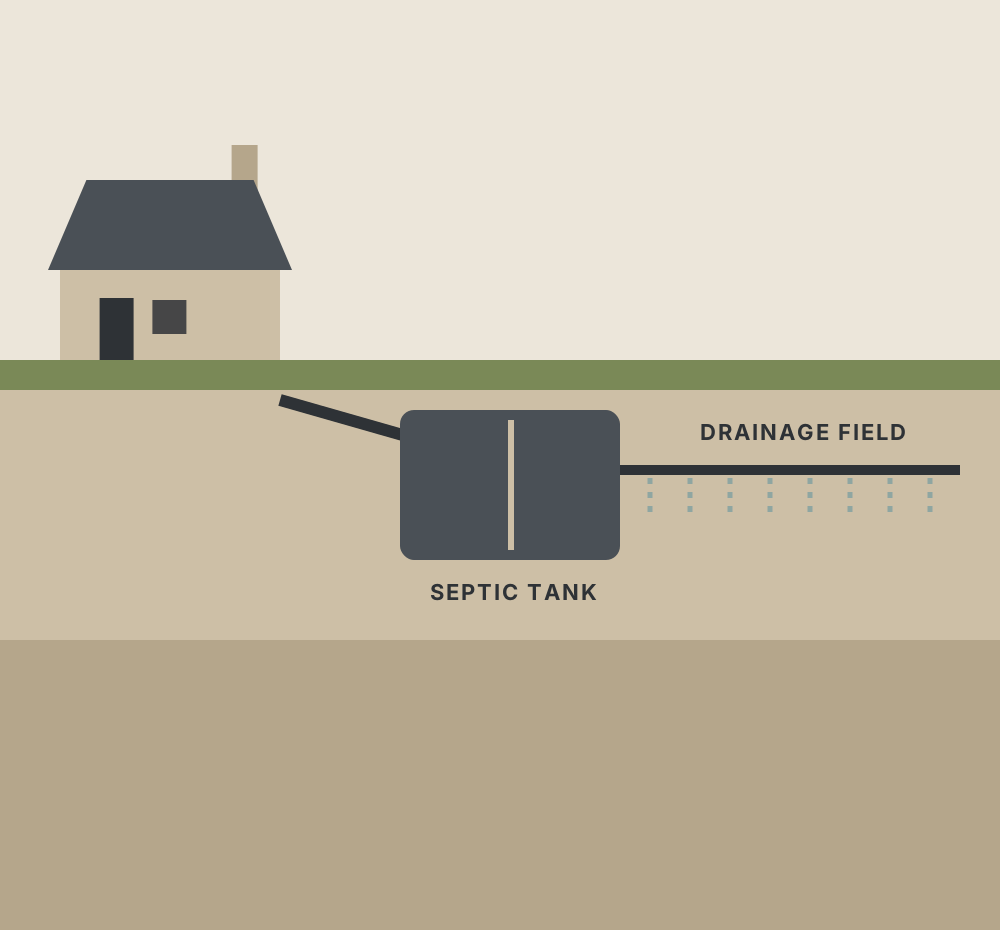
Drainage and water: If you have a septic tank or treatment plant, gather the registration with Natural Resources Wales (in Wales), installation details, and emptying and servicing records. If you have a private water supply, find recent test results and details of any treatment.
Guarantees and certificates: Look out guarantees for damp-proofing, timber treatment, roofing and windows, gas and oil boiler service records, electrical certificates and your Energy Performance Certificate.
Agreements: Gather any written agreements about shared drives, drains, water supplies, wayleaves, grazing or land let to farmers.
Fix what you can
Once you have the paperwork in front of you, you can see the gaps. Many are straightforward to close.
Missing consents: If you have carried out work without planning permission or building regulations approval, speak to the council or an adviser about retrospective approval. For listed buildings, talk to the conservation officer. Some issues can be covered by indemnity insurance, but take advice before relying on it, because it isn't always appropriate.
Drainage: Register an unregistered system with NRW, have the tank emptied and serviced, and fix any obvious faults. In England, check that an older septic tank doesn't discharge straight to a watercourse, since that may need upgrading.
Boundaries and access: If a boundary on the ground doesn't match the plan, or your access relies on long use rather than a written right, raise it with your solicitor now. It may be possible to agree a formal boundary or a deed of easement with your neighbour before a buyer is involved.
Small repairs: Fix the dripping gutter, clear the blocked drain and repoint the obvious cracks. A buyer's surveyor will notice them, and small issues in a report can make buyers nervous out of all proportion to the cost.
Material information
When your home is marketed, your agent must not leave out information that a buyer would need to make an informed decision. The duty to disclose this "material information" now sits within the Digital Markets, Competition and Consumers Act 2024, enforced by the Competition and Markets Authority, after earlier Trading Standards guidance was withdrawn in 2025 (House Check Up). Many agents still organise it using the familiar three-part framework (PayProp):
-
Part A: The price, council tax band and tenure.
-
Part B: The physical characteristics of the property, such as its construction, utilities, water supply, sewerage, heating, broadband, mobile coverage and parking.
-
Part C: Other matters such as restrictions, rights and easements, flood risk, planning issues, listed status and mining.
For a rural character home, Parts B and C matter enormously. Having the answers ready, accurate and documented before you list will make your agent's job easier, reassure buyers and reduce the risk of a sale collapsing late in the day.
Presenting a character home
The best character homes sell a way of life, not just a set of rooms. Good presentation helps buyers picture themselves living there.
Let the building speak: Declutter so that the beams, fireplaces, stone walls and views take centre stage. Character homes often have smaller rooms and unusual layouts, so less furniture makes them feel more generous.
Tell the story: Buyers love a home with a history. Gather what you know about the house: its age, its original use, any notable owners and the changes made over the years. A short history adds depth to the particulars and gives buyers something to remember.
Show the setting: Rural buyers are buying the landscape as much as the house. Make sure the photographs and the listing show the garden, the land, the views and the walks from the door, and mention practical details such as the nearest village, the commute and broadband speeds.
Photograph in the right season: A stone cottage looks its best with the garden in bloom or the woods turning gold. If you can, have photographs taken at a good time of year, even if you list later.
Be upfront about the quirks: Low doorways, steep stairs, private drainage and oil heating are part of rural life. Mentioning them honestly in the particulars filters out buyers who would never have proceeded and builds trust with those who will.
Choosing an agent
Not every agent is equally at home with character and rural property. When you invite agents to value your home, ask them:
-
What similar homes have you sold recently, and how long did they take?
-
How will you market it, beyond the property portals?
-
Who will conduct the viewings, and how well do they know the area?
-
How will you handle the material information, particularly drainage, access and planning history?
-
What fees do you charge, and how long is the contract tie-in?
Be wary of an agent who gives a much higher valuation than the others without strong evidence. An over-optimistic price can leave a home sitting on the market, which is particularly damaging for unusual properties.
The sale-ready checklist
-
Title register and plan downloaded, or deeds located if the property is unregistered
-
Boundaries on the ground checked against the plan
-
Rights of way and access documented, with any gaps raised with your solicitor
-
Planning permissions, listed building consents and building regulations certificates gathered
-
Any missing consents investigated and, where possible, regularised
-
Septic tank or treatment plant registered (Wales) or compliant (England), with service records
-
Private water supply tested, with treatment details
-
Shared drives, drains, water and wayleave agreements located
-
Guarantees, service records and electrical certificates gathered
-
Energy Performance Certificate in date
-
Flood history and insurance details ready
-
Small repairs done and the garden tidy
-
A short history of the house written
-
Material information assembled for your agent
-
Solicitor instructed early, so that the contract pack is ready when a buyer is found
A well-prepared sale is quicker, less stressful and more likely to complete. It also signals to buyers that your home has been cared for, which is exactly the impression a character property should give.
Sources
-
Material information and upfront property packs, House Check Up
-
What's next for material information, PayProp